Which Path Is Right for You?
Whether you're planning your first career, preparing for graduate school, or thinking about a new direction, there are many ways to get started in speech, language, and hearing sciences.
Some people arrive here knowing exactly what they want to do. Others are still exploring whether speech-language pathology, audiology, or research may be the right fit for them. Wherever you're starting from, the most important step is finding the program that matches your background, interests, and goals.
We offer several pathways for students and professionals at different stages of their journey - from undergraduate study to graduate training and research-focused doctoral education.
Want to Become a Speech-Language Pathologist?
Speech-Language Pathologists work with children and adults to support communication and swallowing needs. It is a field that combines science, human connection, and real-world impact, with career opportunities in schools, hospitals, clinics, rehabilitation settings, and community programs.
Becoming a Speech-Language Pathologist typically includes:
- Completing a bachelor's degree
- Earning a Master of Science in Speech-Language Pathology
- Finishing a Clinical Fellowship
For many students, the next step depends on what they have already studied.
Already Studying Speech and Hearing Sciences?
If you are currently completing - or have already completed - a degree in Speech & Hearing Sciences or Communication Sciences & Disorders, you may be ready to take the next step toward graduate training.
Students with a post-baccalaureate background or foundational coursework in the field may also be ready to move forward.
Explore the Master of Science in Speech-Language Pathology.
Starting Your First Bachelor's Degree
If you have not yet earned a college degree, the Bachelor of Science with a major in Speech & Hearing Sciences offers a strong starting point through a 4-year, in-person program.
Preparing for a Second Career
You can still pursue speech-language pathology even if your bachelor's degree is in another subject. If you have not yet completed coursework in Speech & Hearing Sciences or Communication Sciences & Disorders, you will first need to build that academic foundation before applying to a master's program.
If you already have a bachelor's degree in another field and want to prepare for graduate study in speech-language pathology, the Post-Baccalaureate Bachelor of Science program with a major in Speech & Hearing Sciences offers in-person options in either 3 or 6 quarters.
Or, if you already hold a bachelor's degree and want to complete prerequisite coursework for future master's study with a more flexible foundation, the Certificate in Speech, Language and Hearing Foundations provides online, asynchronous study in either 1-year or 2-year track options.
Interested in Research?
If you are curious about research in speech, language, and/or hearing, a doctoral degree may be the right fit.
The Doctor of Philosophy (PhD) program is designed for students who want to contribute to research, scholarship, teaching, and innovation in the field. This is an in-person program, and the length varies, though many students complete it in about 5.5 years.
The PhD is a research degree and does not lead to becoming a Speech-Language Pathologist.
Interested in Becoming an Audiologist?
Audiologists help people of all ages evaluate and manage hearing and balance concerns. If that path interests you, the professional degree is the Doctor of Audiology (AuD).
The University of Washington does not currently offer an AuD program. Students interested in this path are encouraged to explore programs through ASHA EdFind.
Explore Your Options
There is no single path into this field - and that is one of its strengths. Some students begin as undergraduates. Others return to school after time in another profession. No matter where you are starting, there are meaningful ways to move forward.
Explore our program options to find the path that fits you best. If you have questions, please contact our Outreach Coordinator
Meet Our Outreach Coordinator
-

Katelyn Munford
Outreach Coordinator
kmunford@uw.edu

Meet Our Advisors
-
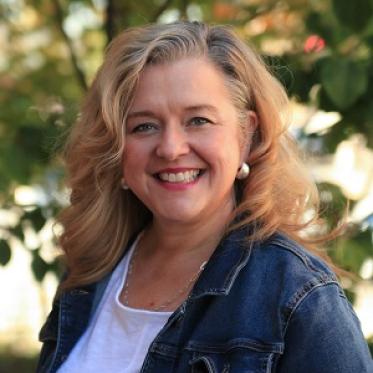
Gabrielle Gruber
Undergraduate Advisor
shugadv@uw.edu*Schedule Meeting
*For current students only -

Stanley Choi
Graduate Advisor
shgradv@uw.edu